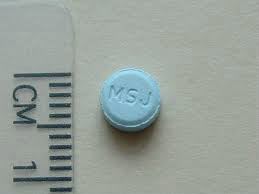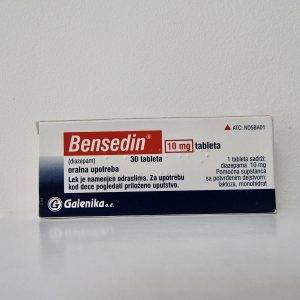


Diazepam 10mg x 20 Tablets Classification
Diazepam is a prescription-only medicine (POM) in the United Kingdom and belongs to a class of medicines known as benzodiazepines.
- Drug class: Benzodiazepine
- Legal status (UK): Prescription Only Medicine (POM)
- Controlled drug classification: Class C under the Misuse of Drugs Act 1971
- Therapeutic category: Anxiolytic, muscle relaxant, anticonvulsant, sedative
Because diazepam has the potential for dependence and misuse, it is regulated and should only be taken exactly as prescribed by a qualified healthcare professional.
What is Diazepam 10mg x 20 Tablets?
Diazepam 10mg tablets contain 10 milligrams of diazepam as the active ingredient. A pack of 20 tablets is commonly prescribed for short-term treatment courses.
Diazepam works on the central nervous system (CNS) to produce a calming effect. It is typically prescribed for:
- Severe anxiety
- Muscle spasms
- Alcohol withdrawal symptoms
- Certain seizure disorders
- Short-term management of acute distress
It is not intended for long-term continuous use unless specifically directed and monitored by a medical professional.
Recommended Dosage for Diazepam 10mg x 20 Tablets
The correct dosage depends on the condition being treated, your age, medical history, and individual response to treatment.
General adult dosing guidance (UK):
- Anxiety: Usually 2mg to 10mg, taken 2–4 times daily
- Muscle spasms: 2mg to 15mg daily in divided doses
- Alcohol withdrawal: Higher initial doses may be prescribed under medical supervision
- Elderly patients: Lower doses are recommended due to increased sensitivity
Important points:
- Always follow your doctor’s instructions precisely
- Do not exceed the prescribed dose
- Do not suddenly stop taking diazepam without medical advice
- Treatment is usually short-term (2–4 weeks)
Abrupt discontinuation can lead to withdrawal symptoms.
How Does Diazepam 10mg x 20 Tablets Work?
Diazepam enhances the activity of a neurotransmitter in the brain called gamma-aminobutyric acid (GABA).
GABA is responsible for slowing down nerve signals in the brain. By increasing GABA activity, diazepam:
- Reduces excessive brain activity
- Produces a calming effect
- Relieves muscle tension
- Controls seizures
- Promotes sedation
This calming effect helps stabilise overactive nerve signals that may cause anxiety, muscle spasms, or convulsions.
Benefits of Taking Diazepam 10mg x 20 Tablets
When prescribed appropriately, diazepam may provide several therapeutic benefits.
Potential benefits include:
- Rapid relief of severe anxiety symptoms
- Reduction in acute panic or agitation
- Relief from painful muscle spasms
- Management of alcohol withdrawal symptoms
- Sedative effect before certain medical procedures
- Short-term seizure control
Many patients experience noticeable relief within 30 to 60 minutes of taking the medication.
However, benefits must always be balanced against potential risks.
When Should You Take Diazepam 10mg x 20 Tablets?
Diazepam should be taken exactly as directed by your GP or prescribing clinician.
You may be prescribed diazepam if you:
- Are experiencing acute or severe anxiety
- Have muscle spasms causing discomfort
- Are undergoing alcohol detoxification under supervision
- Require short-term sedation
- Need adjunct therapy for seizure management
It is generally taken:
- With or without food
- At evenly spaced intervals
- At the same time each day if used regularly
Avoid alcohol while taking diazepam, as this increases sedative effects and risk of breathing suppression.
When Should You Not Take Diazepam 10mg x 20 Tablets?
Diazepam is not suitable for everyone.
You should not take diazepam if you:
- Are allergic to diazepam or other benzodiazepines
- Have severe breathing problems
- Have sleep apnoea syndrome
- Suffer from severe liver disease
- Have myasthenia gravis
- Have a history of benzodiazepine dependence
Extra caution is required if you:
- Are pregnant or breastfeeding
- Have a history of substance misuse
- Have depression or suicidal thoughts
- Are elderly or frail
Always inform your doctor of your full medical history.
What is the Mechanism of Diazepam 10mg x 20 Tablets?
Diazepam works by binding to specific benzodiazepine receptors in the brain.
Mechanism of action explained:
- Diazepam attaches to GABA-A receptor sites
- This enhances the inhibitory effect of GABA
- Increased chloride ion influx reduces neuron excitability
- Brain activity slows down
- Physical and psychological tension decreases
This mechanism results in:
- Sedation
- Muscle relaxation
- Anti-anxiety effects
- Anticonvulsant properties
Because it suppresses central nervous system activity, careful dose control is essential.
Uses of Diazepam 10mg x 20 Tablets
Diazepam has multiple licensed medical uses in the UK.
Common uses include:
- Short-term treatment of severe anxiety
- Relief of muscle spasms
- Management of alcohol withdrawal symptoms
- Control of certain types of seizures
- Sedation before minor procedures
It may also be used off-label under specialist guidance for other conditions.
Long-term use is generally avoided due to the risk of tolerance and dependence.
Warnings and Precautions for Diazepam 10mg x 20 Tablets
Diazepam carries important safety considerations.
Dependence and tolerance
- Prolonged use may lead to physical or psychological dependence
- Higher doses may be needed over time to achieve the same effect
- Withdrawal symptoms can occur if stopped suddenly
Driving and operating machinery
Diazepam may cause:
- Drowsiness
- Slowed reaction times
- Impaired coordination
Do not drive if affected. It is illegal in the UK to drive if impaired by medication.
Alcohol interaction
- Alcohol significantly increases sedative effects
- Combined use can cause breathing suppression
- Avoid alcohol completely while taking diazepam
Drug interactions
Tell your doctor if you are taking:
- Opioid painkillers
- Antidepressants
- Antipsychotics
- Antihistamines
- Sleeping tablets
Combining CNS depressants increases the risk of respiratory depression.
Side Effects of Diazepam 10mg x 20 Tablets
Like all medicines, diazepam may cause side effects.
Common side effects:
- Drowsiness
- Fatigue
- Muscle weakness
- Dizziness
- Poor coordination
Less common side effects:
- Confusion (especially in elderly patients)
- Mood changes
- Memory problems
- Blurred vision
- Gastrointestinal upset
Serious side effects (seek urgent medical help):
- Breathing difficulties
- Severe allergic reaction
- Yellowing of the skin (liver problems)
- Severe mood or behavioural changes
Report side effects to your GP or via the UK Yellow Card Scheme.
Storage for Diazepam 10mg x 20 Tablets
Proper storage helps maintain safety and effectiveness.
- Store below 25°C
- Keep in original packaging
- Protect from moisture
- Keep out of sight and reach of children
- Do not use after the expiry date
Unused tablets should be returned to a pharmacy for safe disposal.
Diazepam 10mg x 20 Tablets in the UK
Diazepam is available only with a valid prescription issued by a registered healthcare professional in the UK.
At Rohm Steroids, we prioritise quality, discretion, and customer safety. We understand how disruptive insomnia can be and aim to provide reliable access to genuine medication, subject to proper medical authorisation.
Why choose us:
- Secure and discreet service
- UK-focused support
- Quality assurance standards
- Clear product information
- Confidential packaging
Before purchasing, ensure you have:
- A valid UK prescription
- Reviewed your medical suitability
- Understood correct usage guidelines
Your health and safety remain our top priority. Always use medication responsibly and in line with professional medical advice.
Frequently Asked Questions
Is diazepam addictive?
Yes, diazepam can cause dependence if used for extended periods or at high doses. It is generally prescribed for short-term use only.
How quickly does diazepam work?
Most people feel effects within 30–60 minutes of taking a dose.
Can I drink alcohol while taking diazepam?
No. Alcohol increases sedation and can dangerously suppress breathing.
Can I stop taking diazepam suddenly?
No. Stopping suddenly may cause withdrawal symptoms. Your doctor will advise gradual dose reduction.
Is diazepam safe during pregnancy?
Diazepam is generally not recommended during pregnancy unless clearly necessary. Always consult your doctor.
Can elderly patients take diazepam?
Yes, but usually at lower doses due to increased sensitivity and fall risk.